
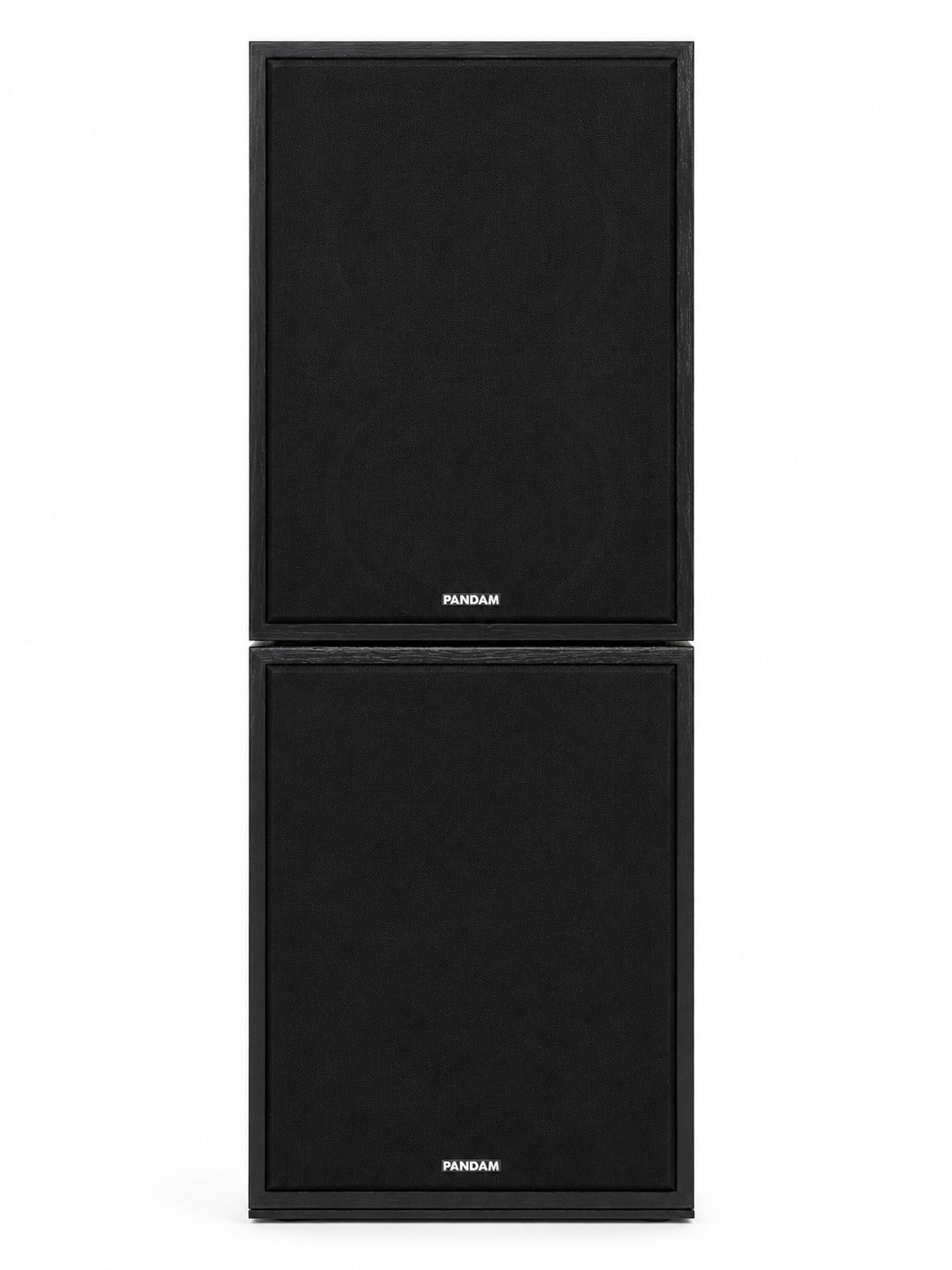
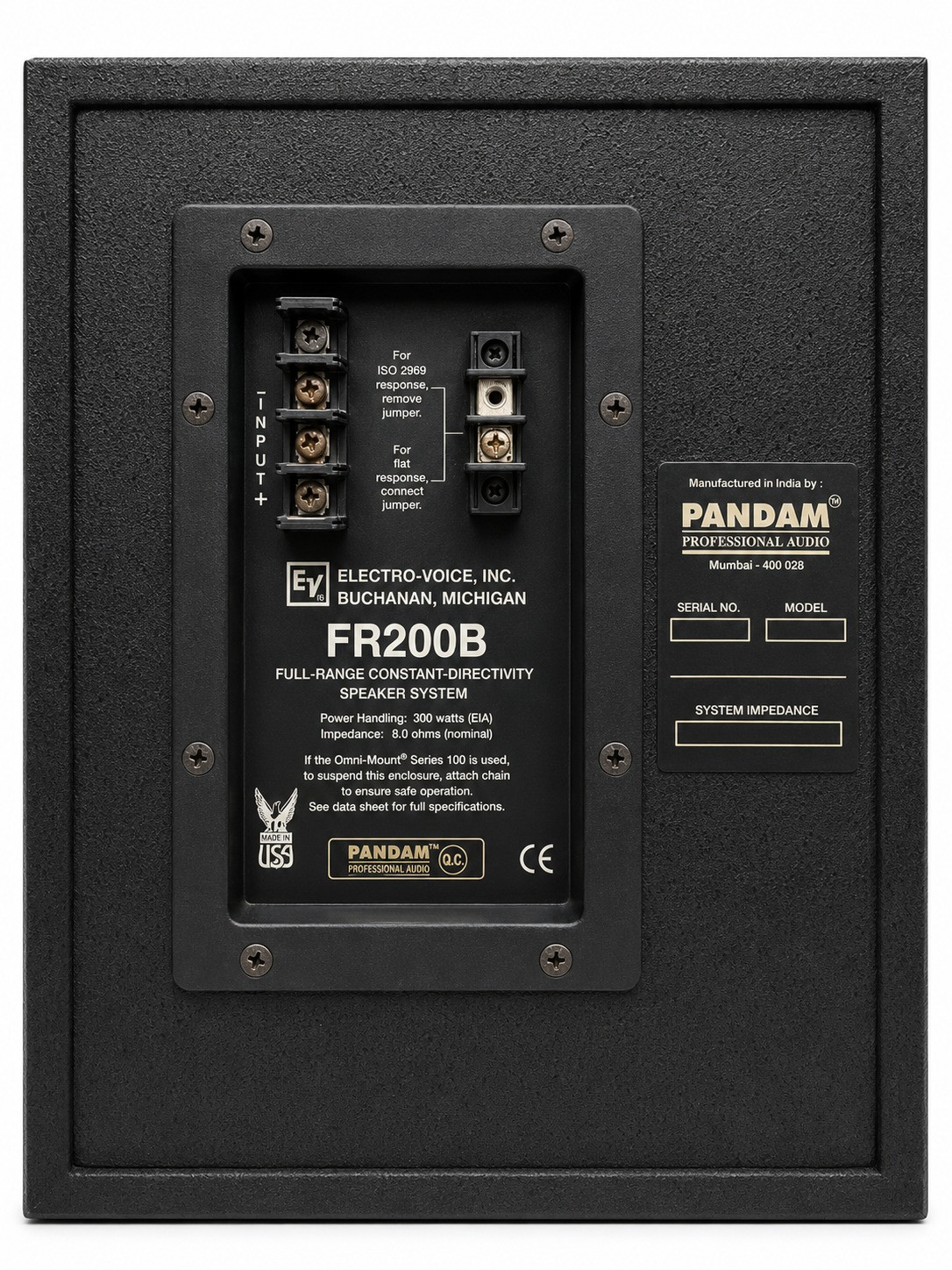
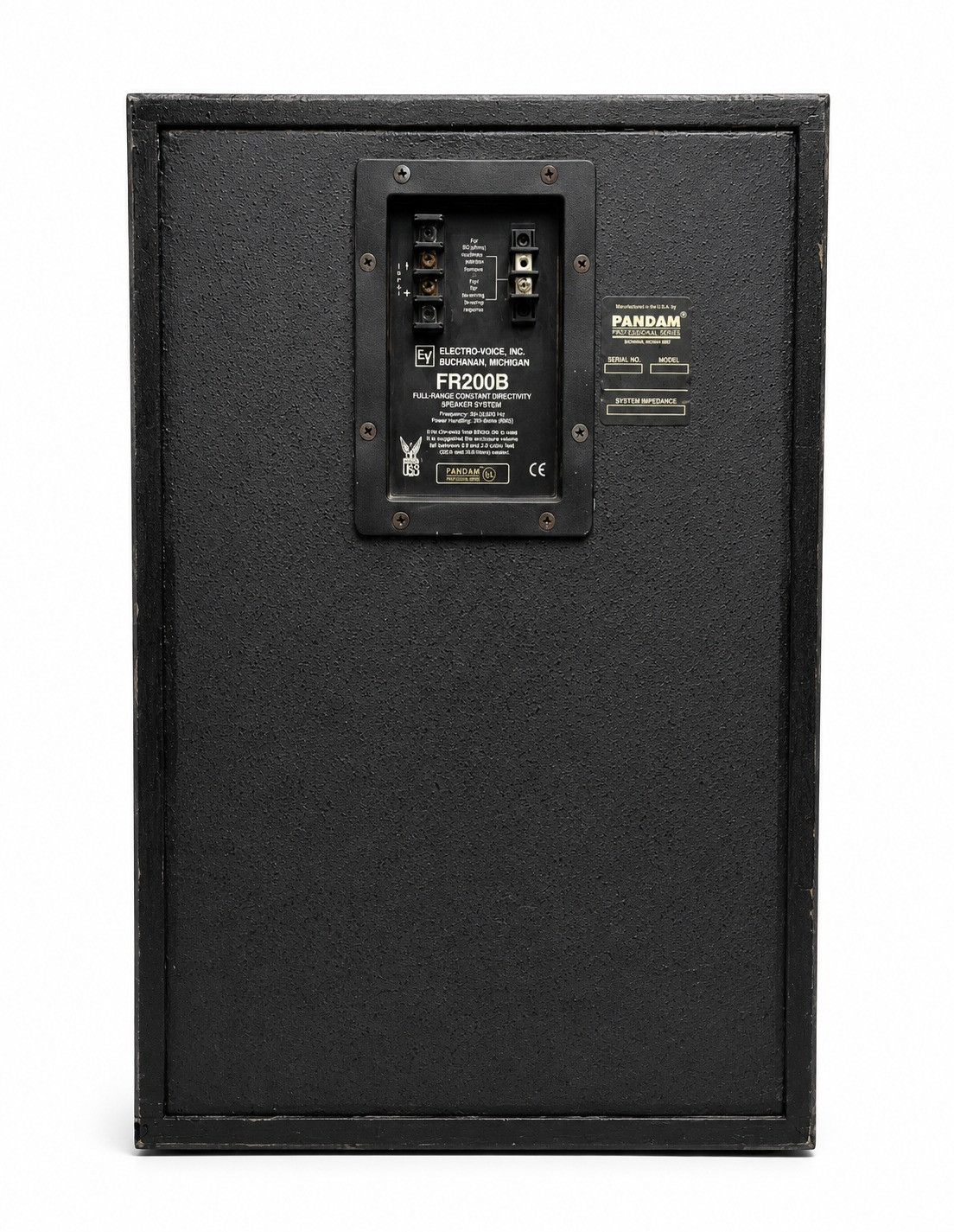
Description
Key Features and Characteristics
- Active Design: This means the speaker has its own built-in amplifier, eliminating the need for an external power amplifier.
1 This allows for optimized matching of the amplifier to the speaker drivers. - Full-Range Capability: Designed to reproduce a wide spectrum of audio frequencies, covering bass, midrange, and treble, suitable for various sound reinforcement applications.
- Two-Way System (Most Likely): Typically comprises a woofer for low and mid frequencies and a tweeter for high frequencies, often with an internal crossover network to divide the audio signal appropriately.
- Woofer Size: Likely features a woofer in the range of 10", 12", or 15", depending on the intended use and power output. Larger woofers generally provide more bass.
- Tweeter Type: Probably uses a compression driver coupled with a horn to project high frequencies efficiently and with good dispersion, common in professional PA speakers.
- Power Output: As a powered speaker, it will have a specified power output (RMS and peak) for its internal amplifier. This could range from a few hundred watts to over a thousand watts, depending on the model's intended application.
- Frequency Response: Expect a specified frequency range (e.g., 50Hz - 20kHz ±3dB) indicating the range of frequencies the speaker can reproduce at a certain tolerance level.
- Maximum SPL (Sound Pressure Level): A crucial specification for PA speakers, indicating the maximum loudness the speaker can produce at a certain distance (usually 1 meter).
- Input Connectors: Typically includes professional input connectors such as XLR and 1/4" TRS jacks, often with selectable mic/line level sensitivity.
- Output Connectors (Link/Mix Out): May feature output connectors to daisy-chain multiple speakers or send a mixed signal to other audio equipment.
- EQ and Processing: Some powered speakers include basic EQ controls (e.g., bass and treble boost/cut) or even built-in digital signal processing (DSP) for more advanced equalization, limiting, and protection.
- Cabinet Construction: Likely built with a robust and durable enclosure, often made of plywood or high-density plastic, designed to withstand the rigors of professional use.
- Mounting Options: Typically includes pole mount sockets for placing the speaker on stands, and may also have rigging points for flown installations.
- Protection Circuitry: Built-in protection circuits (e.g., overload, thermal) to prevent damage to the speaker components.
Potential Specifications (Illustrative Examples - Specifics for FR200B needed):
- System Type: Active 2-way full-range
- Woofer: 12" or 15"
- Tweeter: Compression driver with horn
- Amplifier Power: 200W - 500W RMS (This is a guess based on the "200" in the name, but could be higher)
- Frequency Response: 50Hz - 20kHz ±3dB (Example)
- Maximum SPL: 120 dB SPL (Example)
- Input Connectors: XLR, 1/4" TRS
- Output Connectors: XLR Link Out
- EQ: Basic bass/treble controls (Possible)
- Cabinet Material: Plywood or High-Density Plastic
- Mounting: Pole mount socket


