Tube Amplifiers VS Solid State Amplifiers ??
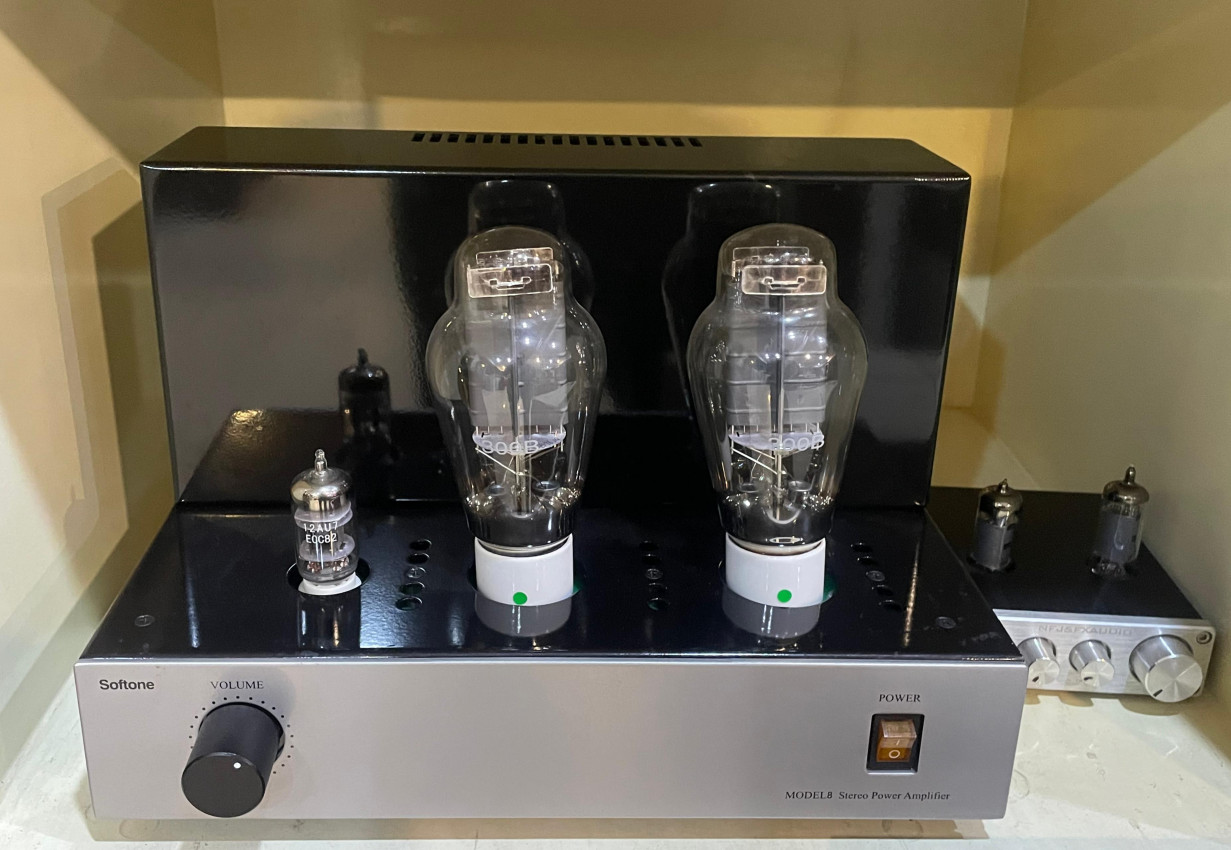
When building a serious music system, few decisions are as important—or as debated—as choosing between tube amplifiers and solid-state amplifiers. Both technologies have loyal followers, distinct sound characteristics, and unique advantages. Understanding how they differ is essential for anyone who wants to create a balanced, musical, and long-lasting hi-fi setup. Tube amplifiers, also known as valve amplifiers, are often associated with warmth, smoothness, and emotional depth. Their sound signature emphasizes rich midrange tones, natural harmonics, and a slightly forgiving presentation that many listeners describe as “musical” or “alive.” This makes tube amplifiers especially popular among vinyl lovers and those who enjoy genres like jazz, classical, blues, and classic rock. However, tube amplifiers typically require more care, generate more heat, and offer lower power output compared to their solid-state counterparts. Solid-state amplifiers, by contrast, are known for their clarity, accuracy, and control. Using transistor-based circuitry, they deliver higher power, tighter bass response, and consistent performance across a wide range of speakers. Solid-state designs are generally more reliable, require minimal maintenance, and are better suited for modern listening habits, higher volumes, and complex speaker loads. For listeners who value precision, punch, and long-term durability, solid-state amplification remains a practical and powerful choice.
An amplifier never works alone—it directly influences how your speakers perform. Factors such as speaker sensitivity, impedance, and power handling play a major role in determining whether a tube or solid-state amplifier will be the better match. To understand how different speakers interact with amplification and how to achieve proper system synergy, explore our detailed Speakers Page https://www.rhythmgears.com/categories/speakers where we cover speaker types, efficiency ratings, and pairing fundamentals. This blog takes a deep dive into the key differences between tube and solid-state amplifiers, covering sound signature, power delivery, maintenance requirements, lifespan, and overall listening experience.
We also explain how room size, music preference, and listening volume affect amplifier choice. A low-powered tube amplifier may sound magical with high-efficiency speakers, while a powerful solid-state amplifier may be essential for driving large, demanding floor-standing speakers. For readers who want a broader understanding of amplification technologies, including integrated amplifiers, power amplifiers, and preamplifiers, we recommend visiting our dedicated Amplifiers Page https://www.rhythmgears.com/categories/amplifiers. There, you’ll find in-depth explanations, comparisons, and insights that help you choose the right amplifier for your system and budget.
At Rhythm Gears, we believe high-fidelity audio is not just about specifications—it’s about connection, character, and trust in equipment that lasts. With decades of experience in vintage and modern music systems, we curate and recommend audio gear that delivers genuine musical satisfaction rather than marketing hype. To learn more about our philosophy, expertise, and carefully selected audio solutions, visit the official Rhythm Gears https://www.rhythmgears.com/ page. Whether you are stepping into hi-fi audio for the first time or upgrading an existing setup, choosing between tube and solid-state amplification should be guided by your music, your speakers, and your personal listening style.
There is no absolute winner—only the right match for your ears. This guide is designed to help you make that choice with confidence, clarity, and a deeper understanding of what truly matters in sound.
-
 September 7th, 2026
 -
 September 1st, 2026
 -
 August 18th, 2026
 -
 July 19th, 2026